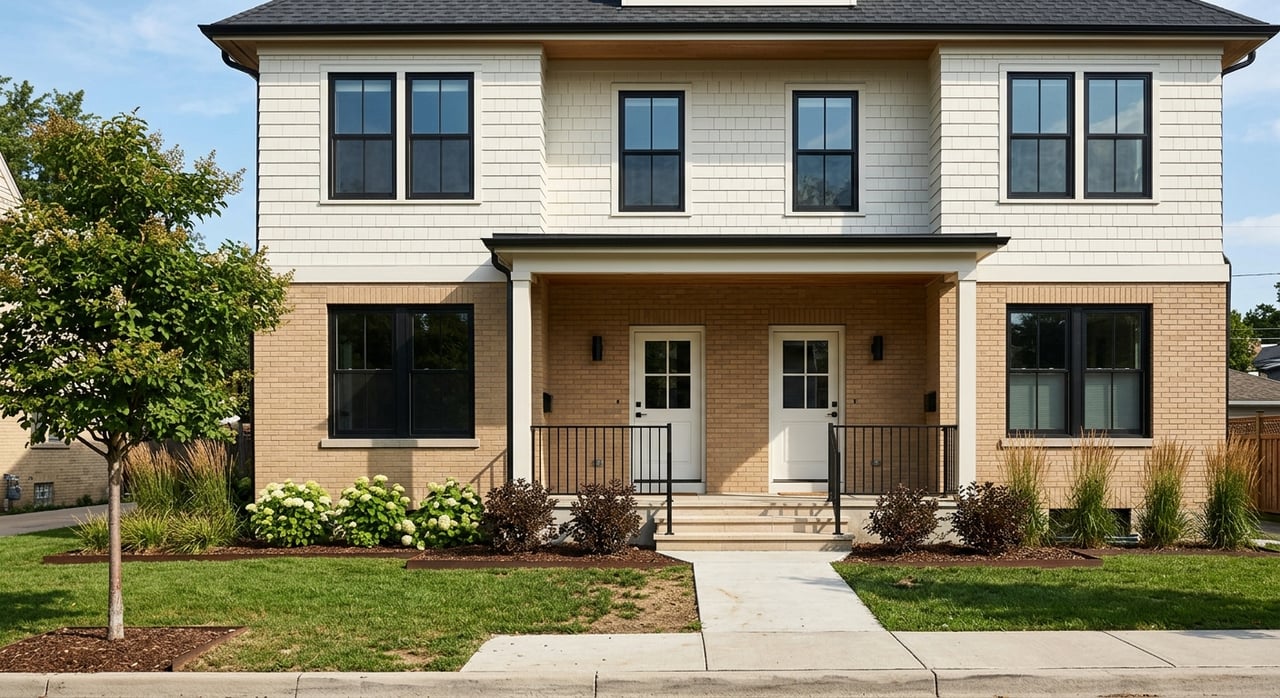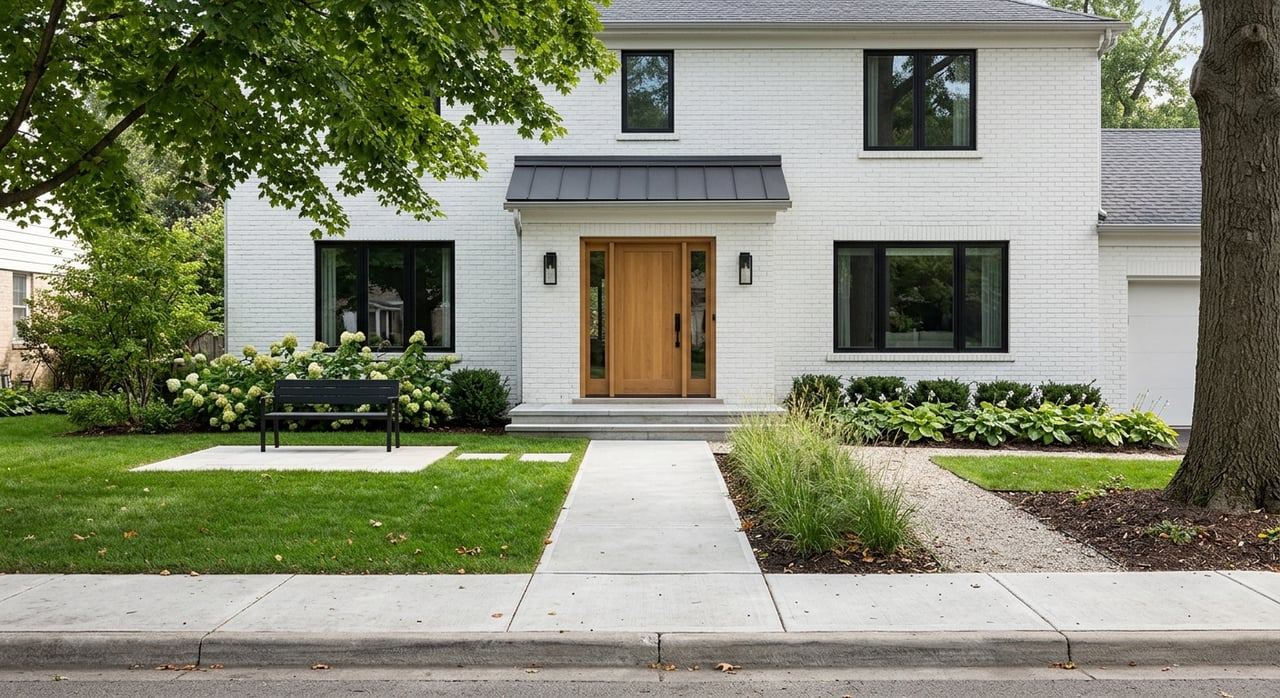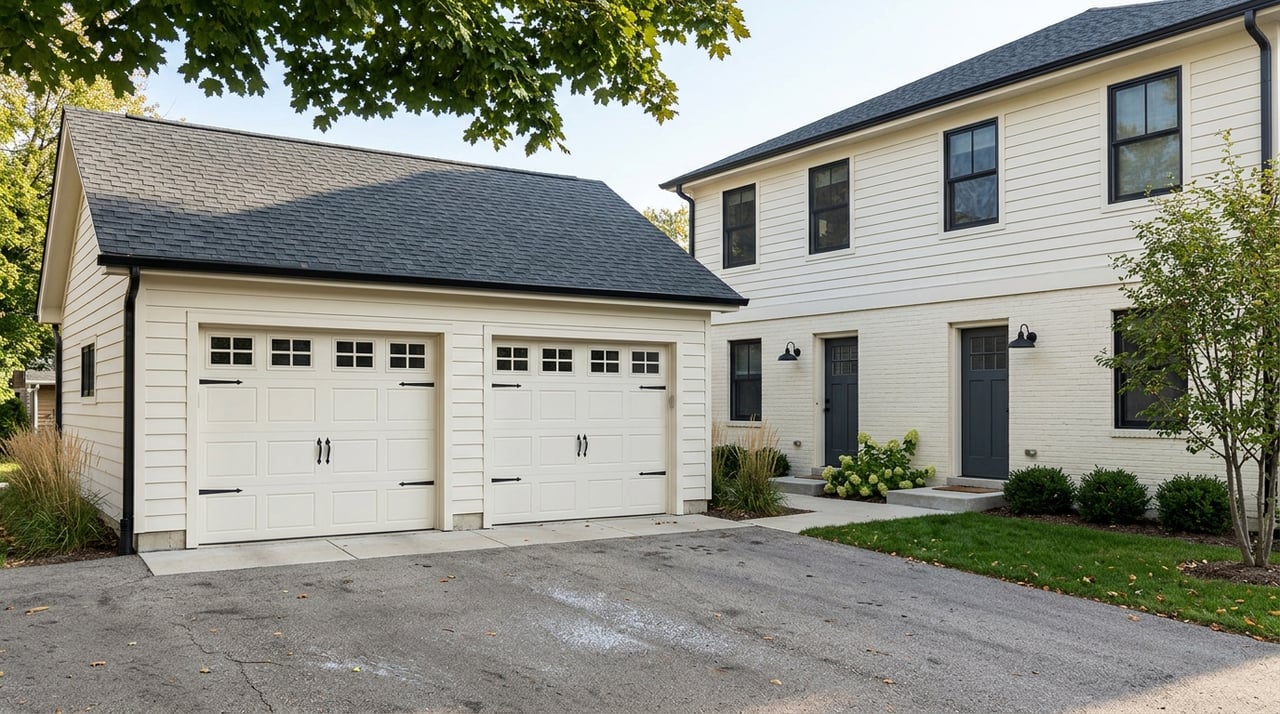
Thinking about buying a duplex in St. Louis Park? It can be a smart move, but only if the numbers work beyond the purchase price. If you are looking for steady rental demand, an inner-ring location, and long-term upside, this suburb checks several important boxes. The key is knowing where the opportunity is and where the costs can quietly stack up. Let’s dive in.
St. Louis Park Duplex Investment Basics
A duplex in St. Louis Park can make sense for the right buyer because the city shows a strong mix of housing demand, competitive home sales, and relatively tight rental conditions. St. Louis Park has about 50,000 residents, a 57.8% owner-occupied housing rate, a median gross rent of $1,644, and a median owner-occupied home value of $386,800. Median household income is $101,648, which supports the area’s overall housing demand.
The city also benefits from strong commuter patterns. According to the city’s housing study, 37,337 workers commute into St. Louis Park while 23,826 leave. That matters because job access and location can support demand for well-positioned rental housing over time.
Why Investors Look at St. Louis Park
St. Louis Park sits in a part of the metro that often appeals to buyers who want access to Minneapolis and nearby employment centers. For an investor, that kind of location can support both tenant interest and resale demand. It also gives you more than one possible exit strategy, which is important when you buy a small multifamily property.
The for-sale market is also competitive. Redfin’s March 2026 snapshot showed a citywide median sale price of $397,000, homes selling in about 19 days, and average sales around 1% above list price. That does not guarantee appreciation, but it does suggest that demand remains active.
Small Multifamily Supply Is Thin
One of the biggest reasons duplexes get attention in St. Louis Park is simple: there are not many of them available at once. Redfin’s duplex and triplex page showed one active multi-family listing at a median asking price of $625,000. That is a meaningful premium compared with the citywide median sale price.
Thin supply can help support pricing, but it also raises the stakes for buyers. If you overpay for a duplex with deferred maintenance, tight margins can disappear fast. In a market like this, your purchase price matters just as much as the rent potential.
Rent Levels Support the Case
Current asking rents in St. Louis Park are solid for an inner-ring suburb. Apartments.com lists average asking rents at:
- $1,545 for a one-bedroom
- $1,904 for a two-bedroom
- $2,290 for a three-bedroom
Compared with nearby suburbs, St. Louis Park lands in the middle of the current rent band. Hopkins is lower, Golden Valley is fairly close, and Minnetonka trends higher. That middle position can be helpful because it points to a market with established demand without assuming top-of-market rents.
For a duplex buyer, this is where underwriting gets real. If each unit can rent near current city benchmarks, the property has a better chance of carrying financing, taxes, insurance, and maintenance. If the layout is dated, parking is weak, or repair needs are constant, the income side can fall short quickly.
Vacancy Looks Relatively Tight
Vacancy is another important part of the story. The city housing study found a stabilized rental vacancy rate of 3.7% and a market-rate vacancy rate of 4.0%, both below the 5% equilibrium benchmark. When properties still in lease-up were included, overall vacancy reached 6.2%.
HousingLink’s Q4 2024 Hennepin County brief put county vacancy at around 3% and noted that 8% of observed vacancies were in the “other” category, which includes condos, duplexes, and townhomes. In practical terms, St. Louis Park does not appear oversupplied. That said, tighter vacancy does not mean every duplex will perform the same way.
Condition Matters More Than You Think
St. Louis Park’s housing stock skews older, with the largest share of homes built in the 1940s and 1950s. That can be a positive if you buy a well-maintained property with updates already handled. It can also become expensive if the building needs mechanical work, exterior repairs, or repeated turnover fixes.
For many duplex buyers, the best opportunities are properties with efficient layouts, updated systems, and manageable capital expense risk. Good parking also matters because it affects daily livability and tenant appeal. In a city with older housing, the gap between a clean, functional duplex and a problem property can be wide.
The Local Rules You Need to Price In
If you are buying a duplex as an investment in St. Louis Park, local compliance is not optional. The city requires a rental license for any non-owner-occupied unit, including duplexes. The owner or manager must complete city rental training before the license is issued, and the training must be refreshed every three years.
The city allows a temporary six-month license to bridge the training schedule. Owners who rent out a duplex, townhome, condo, or single-family home must apply before a tenant moves in. Renewal deadlines are due by Jan. 1.
These are not minor details. They affect your timeline, your carrying costs, and how quickly you can begin operations after closing.
Duplex Fees Add to Your Underwriting
The 2026 fee schedule includes several costs that should be in your pro forma from day one. The city lists:
- $305 for a duplex rental license when both sides are non-owner occupied
- $275 when only one side is rented
- $460 for a duplex change-of-ownership property-maintenance certificate
The city also inspects rental property once every two years. Duplex property-maintenance certificates are valid for one year. If you are comparing a duplex to a single-family rental or condo investment, these local costs are part of the equation.
Delinquency Risk Can Last Longer Than Expected
Cash flow is not only about rent collected on time. It is also about what happens when it is not. Minnesota law requires a 14-day written nonpayment notice before a landlord can file, and St. Louis Park adds a local 30-day pre-eviction notice requirement for rental properties in the city.
That longer local timeline can affect your reserves and your risk planning. If you are underwriting a duplex with very tight monthly margins, one delinquent tenant can hurt more than you expect. This is one reason experienced investors usually leave room in the deal for vacancy, turnover, and delayed collections.
A Simple Way to Judge the Opportunity
If you are trying to answer whether a duplex in St. Louis Park is a smart investment, focus on four questions:
- Is the purchase price realistic for the expected rent?
- Can both units compete with current local rent benchmarks?
- How much immediate repair or update work is needed?
- Have you included licensing, inspection, vacancy, and delinquency costs?
If the answer to those questions is favorable, the property may be worth pursuing. If one or two answers are weak, the deal can get thin quickly.
When a Duplex Is Most Likely a Smart Buy
In this market, a duplex is most likely to perform well when it offers a mix of stable rent potential and controlled expenses. Properties with updated mechanicals, practical layouts, and lower near-term repair needs usually have a stronger path to consistent performance. That is especially true in a city with older homes and limited small multifamily inventory.
An owner-occupant may also see value differently than a fully non-owner-occupied investor. If you live in one unit and rent the other, your cost structure and license fee may look different than a fully rented duplex. Either way, the same core rule applies: buy based on realistic income and full operating costs, not just on the appeal of the property type.
When a Duplex May Not Be Worth It
A duplex may be a weaker investment if the asking price already assumes premium rents that the units cannot support. The same goes for properties with awkward floor plans, limited parking, or deferred maintenance that will keep showing up in your repair budget. Thin inventory can create urgency, but urgency is not the same as a good deal.
This is where local market knowledge matters. In a competitive market, it is easy to focus on winning the property and not enough on operating it well after closing. The better approach is to model the deal conservatively and let the numbers lead.
A Useful Local Wild Card
St. Louis Park also has a multifamily rental rehabilitation loan program for licensed rental properties with two or more units that are in good standing and meet the city’s NOAH standards. The program is designed to help preserve affordability while funding repairs. For some older duplexes, that may be worth reviewing as part of the long-term plan.
The city also has a 90-day tenant protection ordinance tied to the sale of affordable housing buildings that meet its NOAH definition. If a property may fall into that category, it is important to understand the local rules early in your evaluation process.
Final Takeaway
So, is a duplex in St. Louis Park a smart investment? Often, yes, but not automatically. The city has real strengths: competitive housing demand, rents that sit in a healthy inner-ring range, and vacancy levels that do not suggest oversupply.
The catch is that duplex performance here depends heavily on execution. You want a price that leaves room for local licensing costs, inspections, repairs, vacancy, and longer delinquency timelines. If you are buying a well-located duplex with solid rent potential and manageable capital needs, St. Louis Park can be a very compelling small multifamily market.
If you want help analyzing a duplex, comparing rent assumptions, or pressure-testing the numbers before you write an offer, David Brandner can help you move quickly and make a cleaner investment decision.
FAQs
Is a duplex in St. Louis Park more expensive than the average home?
- Yes. Redfin’s March 2026 snapshot showed a citywide median sale price of $397,000, while its duplex and triplex page showed one active multi-family listing at a median asking price of $625,000.
What are average apartment rents in St. Louis Park?
- Current Apartments.com data lists average asking rents at $1,545 for a one-bedroom, $1,904 for a two-bedroom, and $2,290 for a three-bedroom.
Does a St. Louis Park duplex need a rental license?
- Yes. St. Louis Park requires a rental license for any non-owner-occupied unit, including duplexes, and the owner or manager must complete city rental training before a license is issued.
What rental fees apply to a duplex in St. Louis Park?
- The city’s 2026 fee schedule lists a $305 duplex rental license when both sides are non-owner occupied, $275 when only one side is rented, and a $460 duplex change-of-ownership property-maintenance certificate.
Is rental vacancy low in St. Louis Park?
- Relatively, yes. The city housing study found a stabilized rental vacancy rate of 3.7% and a market-rate vacancy rate of 4.0%, both below the 5% equilibrium benchmark.
What makes a St. Louis Park duplex a stronger investment property?
- In general, the better candidates are duplexes that can rent near local benchmarks and have efficient layouts, updated mechanicals, good parking, and lower near-term repair risk.