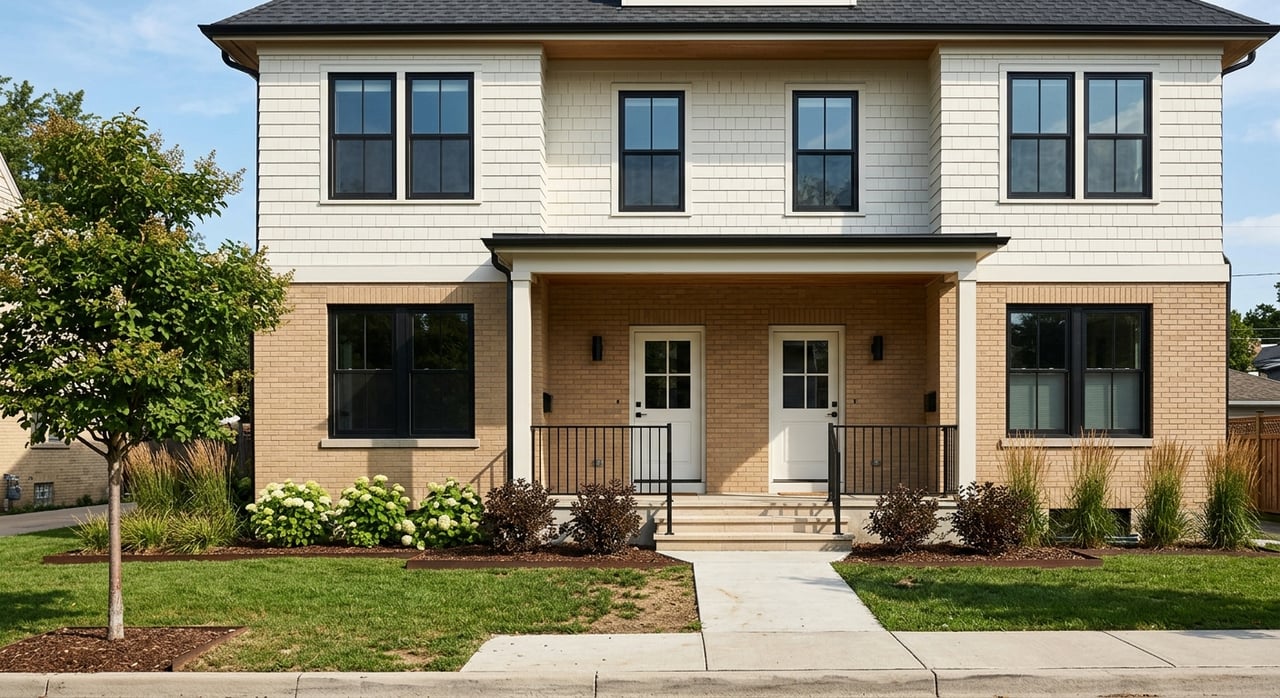
Looking at a duplex or triplex in St. Paul can feel exciting right up until the details start piling up. Rents, age of the building, city rules, inspections, and renovation risk all matter here, and small mistakes can change your returns fast. If you want a practical way to evaluate small multifamily deals in St. Paul, this guide will help you focus on the numbers and local rules that matter most. Let’s dive in.
Why St. Paul Stands Out
St. Paul offers something many investors want: a large renter base in an established urban market. The city had an estimated population of 307,465 in 2024, with a 53.2% owner-occupied housing rate and a median gross rent of $1,248. That owner-occupied rate also points to a substantial renter population, which supports ongoing demand for duplexes and triplexes.
For investors, that matters because small multifamily in St. Paul is not just a house-hacking play. It can also serve as a long-term buy-and-hold strategy in neighborhoods with strong access to jobs, schools, transit, and daily services. The key is to underwrite each property carefully instead of relying on citywide averages alone.
St. Paul Housing Stock Is Older
One of the biggest factors in St. Paul investing is the age of the housing stock. The city says the median age of residential units is 69 years, and 57% of single-family, duplex, and triplex structures were built before 1930. That means many available properties are older buildings with character, but also with more maintenance and code-related risk.
In practical terms, many duplex and triplex opportunities are conversion-era or early-20th-century buildings rather than newer, purpose-built small multifamily. You may see up-down duplex layouts with similar first- and second-floor floor plans, or properties that were modified over time. That can create opportunity, but it also means you need to pay close attention to building systems, layouts, and compliance.
Neighborhood Age Patterns Matter
The city notes that older housing forms a ring around downtown and the Capitol area, often near historic commercial and industrial nodes and former streetcar corridors. Planning districts with especially old housing stock include Summit-University, Thomas Dale, West 7th, Downtown, Summit Hill, Dayton’s Bluff, West Side, and Union Park. If you are shopping in those areas, assume age-related due diligence will be part of the process.
Older buildings can perform well, but they often require a sharper eye. Roofs, foundations, electrical systems, plumbing, insulation, and unit separation all deserve close review before you commit.
Rental Demand Drivers In St. Paul
Strong rental demand starts with the city’s renter base, but it does not stop there. St. Paul also has several local college and university anchors, including Hamline, Macalester, Saint Paul College, the University of Minnesota presence in St. Paul, and the University of St. Thomas. These institutions help support demand across different renter segments.
Transit is another major factor. Metro Transit says METRO lines offer fast, frequent service, generally every 15 minutes during most of the day. The Green Line connects downtown Minneapolis, the University of Minnesota, and downtown St. Paul, and newer corridor investments include the Gold Line and the B and E lines opening in 2025.
For an investor, that means access can affect leasing performance. A duplex or triplex near strong transit service, major institutions, or everyday retail may have an easier lease-up path than a similar property in a less connected location.
Supply Pressure Supports Small Multifamily
The city’s 1-4 Unit Housing Study found rental vacancy averaged 4.4% in 2019, below the 5% level the city describes as a minimum for a well-functioning rental market. The same study found that from 2000 to 2017, the number of duplexes fell 17% while triplexes and fourplexes fell 11%. That combination suggests small multifamily remains an important and relatively limited part of the housing supply.
For investors, limited stock can support long-term demand. It also means good duplex and triplex opportunities may attract attention quickly when they are priced well.
How To Underwrite A St. Paul Duplex
A solid St. Paul underwriting process starts with public data, then gets more specific from there. The citywide median gross rent of $1,248 is a useful benchmark, but it is only a baseline. It should never replace unit-specific rent comps.
Instead, build your analysis in layers:
- Start with the citywide rent benchmark
- Compare recent leased units and current competing listings
- Review unit count, bedroom mix, and condition
- Check whether any rent limits or affordability rules apply
- Stress-test repairs, turnover, and vacancy assumptions
This matters even more in St. Paul because an older duplex or triplex can look attractive on paper while hiding major deferred maintenance or compliance costs.
Use Sale History And Parcel Data
On the pricing side, Ramsey County’s 2025 Assessor’s Report says the median sales price for residential property in the county was $327,700, up from $315,300 at year-end 2023. That gives you a broader market reference, but you still need address-level research for a specific small multifamily property.
The city directs users to property tax and value lookup tools, assessment lookup, and open-information resources. The public search tool returns records from 2000 to the current date, which can help you review ownership history, valuation patterns, and other useful property details.
Check Inspection And Code Records
Before you get too attached to a deal, review the city’s inspection and code records for the address. This step can reveal issues that are not obvious in listing photos or a quick showing. In an older property, hidden costs can quickly change your renovation budget and your timeline.
A practical underwriting workflow in St. Paul often looks like this:
- Verify current rents and market rent potential
- Review parcel history and assessed value data
- Check city inspection and code records
- Estimate immediate repairs and compliance work
- Recalculate cash flow with realistic reserves
City Rules That Can Change Returns
St. Paul has several local rules that can directly affect your hold strategy, renovation plan, and exit timing. If you skip these details, you can misprice a deal.
Rent Stabilization Matters
St. Paul’s current rent stabilization ordinance limits residential rent increases to 3% in any 12-month period. The city also notes exceptions, including a self-certification pathway for increases from 3% to 8%, a just-cause vacancy increase of CPI plus 8%, and a staff-determination exception with no limit if justified.
For an investor, this means future rent growth may not work the way it does in a simple spreadsheet. If your business plan depends on aggressive rent increases, you need to understand the ordinance and whether any exception may apply.
Tenant Protections Affect Operations
Separate tenant protections took effect on May 14, 2026. The ordinance applies to residential rental housing in St. Paul and covers screening guidelines, limits on security deposits and prepaid rent, pre-eviction notice requirements, and notice-of-sale and relocation-assistance rules for affordable housing.
That makes operations just as important as acquisition. Your screening process, lease administration, communication, and sale planning all need to align with current city requirements.
Inspection And Disclosure Rules Differ By Property Type
St. Paul says it does not issue a rental license to landlords, but it does require a Fire Certificate of Occupancy for buildings that are not owner-occupied single-family or duplex structures. The city also says all residential buildings that are not owner-occupied must have a Fire Certificate of Occupancy.
There is also a Truth-in-Sale of Housing evaluation requirement before marketing single-family homes, duplexes, condominiums, and townhomes. Properties with three or more units do not require TISH. For investors comparing a duplex and a triplex, that difference can matter during acquisition or resale planning.
Conversion And Value-Add Potential
If you are considering a conversion or adding units, St. Paul has become more favorable to small-scale density. The city says 2023 zoning amendments allow duplexes, triplexes, fourplexes, ADUs, townhomes, and cluster developments in every part of the city. That creates more flexibility than many investors expect.
Still, zoning permission is not the same as a simple project. The city’s duplex and triplex conversion guidelines historically required site plans, unit floor plans, and economic feasibility analysis for conversion cases. In other words, you still need to confirm what is possible at the property level.
Where Value-Add Can Go Wrong
In St. Paul, value-add often looks straightforward from the outside. You may see an unfinished attic, a lower level with separate access, or a large old home that seems ready for another unit. But layout, life safety, egress, utility configuration, and code compliance can make or break the project.
That is why experienced local guidance matters. A good opportunity is not just about adding bedrooms or improving finishes. It is about making sure the final unit mix, cost basis, and compliance path still support the return you want.
The 4d Program For Some Owners
One local incentive worth knowing is St. Paul’s 4d program. The city says owners of unsubsidized affordable rental housing can apply, and a duplex must preserve at least one unit for households earning up to 50% of area median income. For qualifying units, the program can reduce the property class tax rate by up to 80%.
This will not fit every investor strategy, but it is worth reviewing if you are comparing hold models. In the right case, tax savings may improve long-term performance more than a simple market-rent approach.
A Smart Buying Checklist
If you are evaluating a St. Paul duplex or triplex, keep your process simple and disciplined.
- Confirm actual current rents and lease terms
- Compare nearby leased and active rental comps
- Review city inspection and code records
- Study sale history and parcel data
- Budget for older-building repairs and reserves
- Verify occupancy and certificate requirements
- Understand rent stabilization before projecting increases
- Review whether tenant protection rules affect your plan
- Check whether conversion or expansion is realistic
- Explore whether the 4d program fits your hold strategy
Why Local Investor Guidance Helps
St. Paul duplexes and triplexes can be excellent long-term assets, but this is a market where local details matter. Older housing stock, limited small multifamily supply, transit-driven demand, and city-specific rules all shape the numbers. The best deals usually come from disciplined underwriting, fast analysis, and a clear renovation or hold strategy.
If you want help sorting through small multifamily opportunities in St. Paul, David Brandner can help you evaluate buy-and-hold and value-add deals with a practical, data-driven approach.
FAQs
What makes St. Paul duplexes and triplexes different from newer multifamily properties?
- Many St. Paul duplexes and triplexes are older buildings, with 57% of single-family, duplex, and triplex structures built before 1930, so age, layout, and code compliance often play a larger role in underwriting.
What is the baseline rent benchmark for St. Paul investors?
- The Census lists St. Paul’s median gross rent at $1,248 for 2019 through 2023, but you should use that only as a starting point and then compare unit-specific rental comps.
How does St. Paul rent stabilization affect duplex and triplex investments?
- The city’s current ordinance limits residential rent increases to 3% in any 12-month period, with certain exceptions, so projected rent growth needs careful review.
Do St. Paul duplexes and triplexes have the same inspection requirements?
- No. The city requires a Truth-in-Sale of Housing evaluation before marketing a duplex, while properties with three or more units do not require TISH.
Can you convert a property into more units in St. Paul?
- St. Paul’s 2023 zoning amendments allow duplexes, triplexes, fourplexes, ADUs, townhomes, and cluster developments citywide, but each property still needs project-level review for plans, feasibility, and code compliance.
Is there a tax incentive for some St. Paul rental owners?
- Yes. The city’s 4d program can reduce the property class tax rate by up to 80% for qualifying affordable rental units, including some duplex situations that meet program rules.