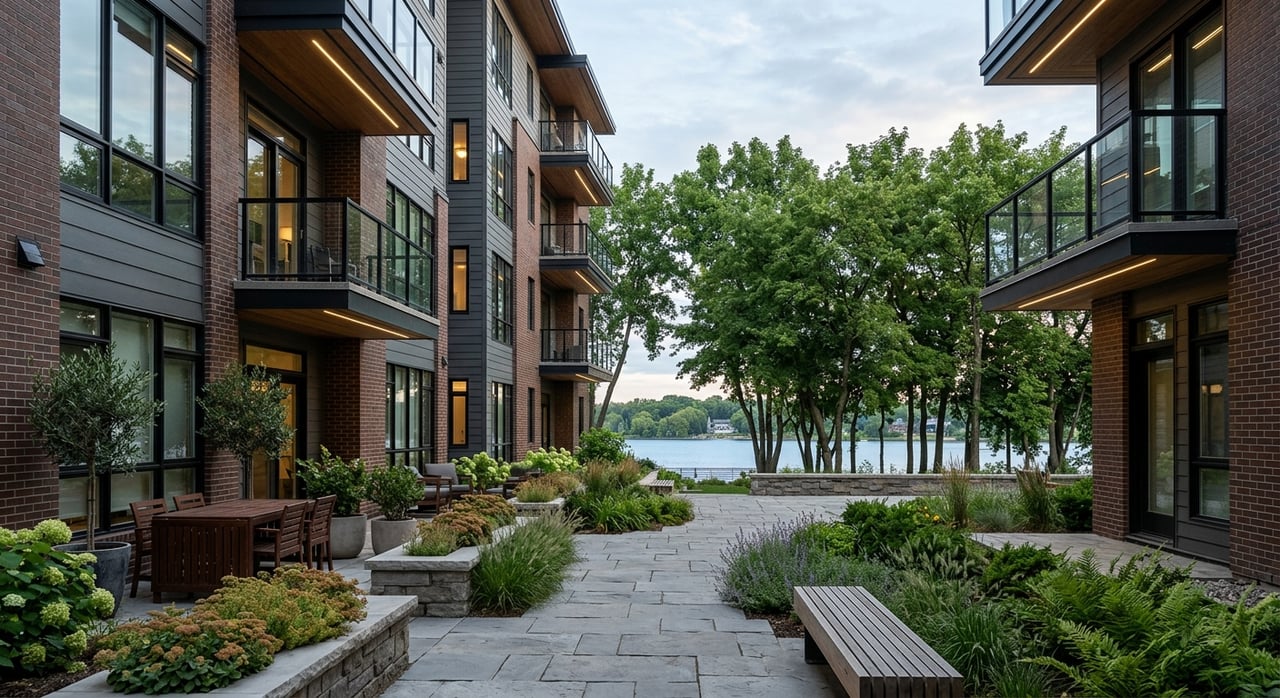
Thinking about living near the Mississippi in St. Paul? It can be a great fit if you want skyline views, trail access, and a more urban daily routine, but riverfront living here is not one simple neighborhood or one-size-fits-all experience. If you are weighing condos, mixed-use buildings, or emerging river-edge areas, this guide will help you understand what to expect, what to compare, and where to focus your due diligence. Let’s dive in.
Riverfront St. Paul Is Bigger Than Many Buyers Expect
When people say “St. Paul riverfront,” they often picture one compact district. In reality, the city’s riverfront focus stretches across several areas, including parts of downtown riverward of 7th Street, West Seventh riverward of 7th Street from Saint Clair north, and the West Side from Robert and Stryker to the city limits.
That broader footprint matters because your options can feel very different from one area to the next. Some sections are closely tied to downtown living, while others reflect older neighborhood patterns or active redevelopment zones near the river.
The city also frames the riverfront through Great River Passage, a city-led effort spanning roughly 26 miles and more than 3,500 acres of parkland. For you as a buyer, that means riverfront living is not only about a view. It is also about access to parks, trails, public space, and long-term public investment.
Housing Types Lean Urban
If you are hoping for a classic detached house right on the river, you may find that options are more limited than expected. The city’s most visible riverfront housing examples lean heavily toward condos, apartments, and mixed-use buildings rather than traditional single-family homes.
Downtown offers clear examples of this pattern. The Penfield is a 254-unit mixed-use building with a full-service grocery store on the ground floor, and the city points to newer additions like Oxbo and Oaks Union Depot as part of ongoing housing growth.
That tells you something important about the market. St. Paul’s riverfront core is still evolving, and much of the inventory is tied to multifamily development, adaptive reuse, and mixed-use urban living.
What That Means for Your Search
If your priorities include walkability, lower exterior maintenance, and proximity to downtown amenities, this setup may work very well. If you want a large private yard, easier guest parking, or more separation from event activity, you may need to compare riverfront options against inland neighborhoods.
Townhomes do exist in St. Paul’s broader housing mix, and the city defines them as single-family attached homes that share at least one wall with an adjacent home. Still, in the riverfront conversation, they are more of a comparison point than the dominant property type.
West Side Flats Shows Where Growth Is Headed
One of the most useful areas to watch is West Side Flats. The city describes it as a 40-acre brownfield redevelopment site planned as a riverfront urban village, with mixed-income apartment phases already in place and future phases that include market-rate and affordable homes.
This is helpful if you want to buy in an area shaped by ongoing public and private investment. The plan also includes greenway and public-space improvements tied to the river edge, which can add to long-term lifestyle appeal.
At the same time, the site’s floodplain location influences land use, street design, building massing, and stormwater features. That does not make it a bad option. It simply means you should understand how location affects design, access, and daily function.
Parks and Trails Are a Real Lifestyle Advantage
For many buyers, the biggest draw is not just the housing. It is the ability to step outside and quickly connect with some of St. Paul’s most recognizable riverfront public spaces.
Upper Landing Park sits near the Science Museum of Minnesota. Raspberry Island offers river views and seasonal events, Harriet Island overlooks the downtown skyline and hosts festivals and concerts, and Lower Landing Park connects to the Samuel H. Morgan Regional Trail along the river’s edge.
If you like walking, biking, or being outdoors without leaving the city, this is a strong selling point. The trail network helps the riverfront feel connected rather than cut off from the rest of St. Paul.
Key Trail Connections to Know
A few routes stand out when you compare locations:
- Samuel H. Morgan Regional Trail follows the east side of the Mississippi River for about 9 miles
- Robert Piram Regional Trail is a 3.7-mile paved connection between Harriet Island and Kaposia Landing
- River Balcony is a planned 1.5-mile promenade along the downtown bluff that reflects continued riverfront investment
If outdoor access is high on your list, these connections can be just as important as square footage or finish level.
Downtown Convenience Is Part of the Appeal
Riverfront living in St. Paul often overlaps with downtown convenience. The city describes downtown as a hub for museums, theaters, concerts, sporting events, CHS Field, and the Saint Paul Farmers’ Market.
For daily errands, the area also includes practical anchors like the grocery store at The Penfield and businesses in the West Side’s District del Sol. If you want a lifestyle where entertainment, transit, and basic services are close by, that can be a major plus.
Transit is another piece of the puzzle. Metro Transit provides frequent all-day service to downtown St. Paul, and Union Depot serves as a transit center for Gold Line and bus connections.
Expect More Seasonal Activity
One thing buyers sometimes underestimate is how much the riverfront experience changes by season. In warmer months, downtown park programming brings live music, food trucks, fitness classes, art installations, festivals, and recurring activity at places like Harriet Island and Upper Landing.
That energy can be a huge benefit if you enjoy an active urban environment. It can also mean more visitors, more event traffic, and a rhythm that feels different from a quieter inland neighborhood.
Winter and high-water periods bring another layer of reality. Flood conditions, construction, and winter weather can close roads, trails, or park gates in low-lying river areas, and the city has temporarily closed riverfront roads like Water Street when high water is expected.
Parking Deserves Extra Attention
Parking is one of the most practical details to verify before you buy. If you are coming from a neighborhood where street parking feels easy, the riverfront can be an adjustment.
St. Paul uses residential parking permits in designated areas near intense nonresidential uses, but a permit does not guarantee a space. Downtown also relies on meters, ramps, and bike parking, so you should confirm the exact parking setup tied to the property rather than making assumptions.
Questions to Ask About Parking
Before you write an offer, try to get clear answers on:
- Is parking deeded, leased, assigned, or first-come, first-served?
- How many stalls come with the unit?
- Is guest parking available?
- Are there extra monthly parking costs?
- How far is the stall from the unit entrance?
These details can affect your monthly budget and day-to-day convenience more than buyers expect.
Condo and Association Review Is Core Due Diligence
Because so much of St. Paul riverfront housing is condo, townhome, or mixed-use oriented, association review is a major part of the buying process. This is not a box to check at the end. It should be central to how you compare properties.
According to the Minnesota Attorney General, a seller in a common interest community must provide key documents such as the declaration, bylaws, articles, rules, resale disclosure, most recent financial statement, current budget, and any outstanding judgments or lawsuits. A buyer generally has 10 days after receiving disclosures to cancel unless that right is waived or the documents were provided earlier.
What to Look For in Association Documents
When you review the paperwork, focus on practical issues that shape ownership:
- What do the dues cover?
- Does the association appear to have a stable budget?
- How are capital expenses handled?
- Are there rules that affect daily living, shared amenities, or parking?
- Are there legal or financial issues you need to understand before closing?
In riverfront buildings, these answers can directly affect your cost, flexibility, and long-term comfort.
Who Is Riverfront Living Best For?
St. Paul riverfront living tends to fit buyers who value walkability, trail access, downtown proximity, and a condo-style lifestyle. If you want scenery, shared amenities, and strong access to parks and events, the riverfront can offer a lot.
It may be less ideal if your top priorities are a large private yard, predictable street parking, or a setting that feels the same in every season. The best match often comes down to how you want your daily routine to feel, not just what looks good in listing photos.
Because this part of St. Paul includes established areas and still-evolving redevelopment sites, it also helps to buy with a clear plan. Knowing which tradeoffs matter most to you can make your search faster and more accurate.
If you are comparing riverfront condos, mixed-use buildings, or redevelopment-area opportunities in St. Paul, David Brandner can help you evaluate the details that matter most and move with confidence.
FAQs
What areas are included in St. Paul riverfront living?
- St. Paul’s riverfront includes parts of downtown riverward of 7th Street, West Seventh riverward of 7th Street from Saint Clair north, and the West Side from Robert and Stryker to the city limits.
What housing types are most common near the St. Paul riverfront?
- The most visible riverfront examples are condos, apartments, and mixed-use buildings, with fewer detached-house options directly tied to the riverfront corridor.
What should condo buyers review in a St. Paul riverfront building?
- You should closely review association documents, including the budget, financial statements, rules, resale disclosure, and any outstanding judgments or lawsuits.
What is parking like for St. Paul riverfront homes?
- Parking varies by building and location, and residential parking permits do not guarantee a space, so you should verify whether parking is deeded, leased, assigned, or separate from the unit.
How does seasonality affect St. Paul riverfront living?
- Summer often brings more festivals, events, and outdoor activity, while winter weather, construction, and flood conditions can sometimes affect roads, trails, and park access.
Who is a good fit for buying near the St. Paul riverfront?
- Buyers who want walkability, trail access, downtown convenience, and an urban condo-style lifestyle are often the strongest fit for this part of St. Paul.