Thinking about listing this spring but staring at a Minnetonka winter to-do list? You’re not alone. With shorter days, snow, and busy vendors, timing your staging can feel overwhelming. The good news: with a clear plan, you can use winter to your advantage, dial in presentation, and hit the market ready to move. In this guide, you’ll learn exactly what staging includes, a realistic winter-to-spring timeline, how to think about ROI by price tier, and how to choose the right partners. Let’s dive in.
Why staging pays in Minnetonka
Staging is about maximizing buyer appeal and perceived value. Industry reports consistently show staged homes tend to sell faster and can achieve a higher list-to-sale price ratio than comparable unstaged homes. The exact impact varies by market conditions, price tier, and whether your home is vacant or occupied, but the pattern is clear: strong presentation helps you win attention and offers.
Entry-level and mid-tier homes
If you’re selling a typical Minnetonka single-family home, staging often delivers the best percentage ROI. These buyers respond to functional layouts and lifestyle cues like a welcoming dining space or a flexible home office. You may see fewer days on market and stronger offers, especially when spring activity spikes.
Luxury and upper-tier properties
In the upper price ranges, staging is often expected. It signals quality and helps buyers understand scale. The percentage lift may be smaller because prices already reflect high-end finishes, but the absolute dollar impact and reduced time on market can be significant.
Vacant vs. occupied listings
Vacant homes benefit most from full furniture staging because buyers need help visualizing scale and flow. Occupied homes usually do well with a refresh: decluttering, neutral paint, updated lighting, and selective rental items. Virtual staging is a budget-friendly option for online presentation, but make sure it’s clearly disclosed to comply with MLS rules, and remember it may not replace the impact of physical staging during showings.
What staging includes
Staging lives on a spectrum, from simple consultation to full-service installation. Here’s what’s common:
- Consultation: a 1–2 hour on-site visit with a prioritized checklist for decluttering, repairs, paint, and furniture placement.
- Partial or refresh staging: accessories, textiles, art, and reworked layouts using your existing pieces to improve flow and photos.
- Full-service occupied staging: supplemental furniture and decor to enhance your furnishings for both photography and showings.
- Vacant-home staging: furniture rental, delivery, and installation to give rooms scale and warmth.
- Virtual staging: digitally staged photos for marketing, clearly labeled per MLS rules.
- Photo styling and coordination: aligning staging with professional photography and virtual tour shot lists.
Interior focus areas include furniture layout, neutral palettes, lighting upgrades, deep cleaning, and minor repairs like caulk or hardware. Exterior focus during winter includes snow removal, safe walkways, entry lighting, a fresh doormat, and winter-appropriate planters. The goal is a cohesive look that shines in person and online.
Your winter-to-spring staging timeline
Minnetonka winters can delay exterior work and compress vendor schedules. Work backward from your target list date and build slack into the plan.
8–12+ weeks before listing
- Meet with your listing agent and a stager to define scope, set budget, and reserve dates.
- Book contractors for interior paint, repairs, flooring touch-ups, and any HVAC or roof checks. Exterior projects may need extra buffer if the ground is frozen.
- If you need significant decluttering or estate services, start now. These vendors book early ahead of spring.
- If the home will be vacant, reserve furniture rentals and installation windows.
4–8 weeks before listing
- Complete most contractor work, paint, and flooring details.
- Start active decluttering and donation runs; arrange storage or a partial move-out if needed for staging.
- Confirm staging installation and professional photography dates. Spring weekends fill first.
- For vacant staging, finalize furniture selections so inventory can be secured.
1–2 weeks before listing
- Staging installation. For vacant homes, complete this before the photographer arrives.
- Professional photos, video, and virtual tour immediately after staging. Aim for a clear day to capture stronger exterior shots.
- Final cleaning. Set thermostats for comfort, replace bulbs for warmth, and double-check mirrors, glass, and stainless surfaces.
0–7 days after going live
- Keep all staging in place for showings and open houses. Monthly rental fees apply while on market.
- If you go under contract quickly, coordinate a prompt but orderly deinstall.
Lead times to expect in Hennepin County
Spring is the busiest season for stagers, photographers, and contractors. Plan ahead so you’re not forced into last-minute compromises.
- Stagers: reserve 6–10 weeks ahead for full vacant staging; consultations often book 2–4 weeks out.
- Photographers: secure a slot 1–3 weeks ahead, with flexibility for weather.
- Contractors: painters and trades can run 4–8 weeks out as spring nears.
- Moving and storage: lock in trucks and units early for spring weekends.
Build in a backup plan for weather delays and schedule exterior shots on the clearest day available.
Budgeting and ROI: how to run the numbers
Think of staging as an investment. Your goal is to increase net proceeds and reduce time on market. Here’s how to evaluate it without guesswork.
Cost components to consider:
- Consultation fee for the design plan.
- Styling or refresh package for accessories and layout.
- Full-service staging for rental furniture, installation, and monthly fees.
- Professional photography and virtual tour.
- Prep costs: paint, small repairs, deep cleaning, carpet cleaning, and snow removal.
- Carry costs: monthly staging rental, storage, mortgage and utilities if marketing extends.
How to track impact:
- Days on market compared with similar nearby unstaged listings.
- List-to-sale price ratio or final sale price versus asking price.
- Number of showings and conversion to offers.
- Time from listing to contract, especially in spring when demand is highest.
Simple ROI approach:
- Estimate additional sale proceeds you expect staging to unlock.
- Add all staging, prep, and carry costs.
- If the expected proceeds exceed the total costs, you have a positive ROI. Revisit numbers using recent Minnetonka comps to stay realistic.
For occupied homes, a modest refresh can often deliver strong ROI by improving showability and photography. Vacant luxury listings may require a higher budget, but the absolute dollar impact can justify it. Always compare against recent local sales in your price band.
Choosing the right staging partners
The right team will keep you on schedule and on budget while optimizing your home’s presentation.
- Local experience: choose stagers who know Minnetonka and Twin Cities buyer expectations.
- Portfolio and references: ask for before-and-after examples in your price range and style.
- Clear contracts: confirm install dates, monthly rental pricing, delivery logistics, and cancellation policies in writing.
- Coordination: pick vendors who coordinate staging with photography timelines and MLS-ready presentation.
- Compliance: make sure they understand MLS rules for virtual staging disclosures and labeling.
If your home is in a condo or HOA community, confirm rules for elevator use, delivery windows, and access. For winter installs, confirm parking and safe delivery paths.
Seasonal tips for Minnetonka listings
- Snow and ice: keep walkways shoveled and salted. Safety sets the tone before buyers reach the front door.
- Daylight strategy: short winter days mean you should schedule photos for peak light and consider warm bulbs for inviting interiors.
- Winter curb appeal: use evergreen planters, a clean doormat, and maintained entry lighting to project care and warmth.
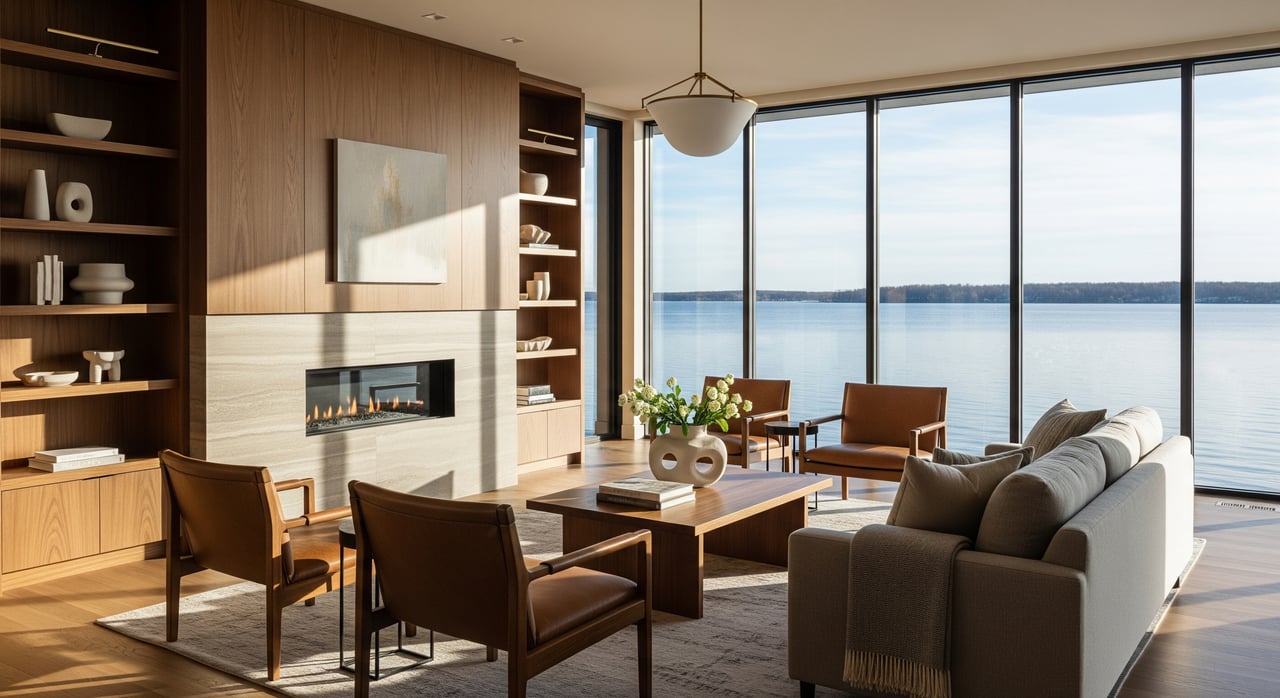
- Lake and view emphasis: when applicable, stage to highlight sightlines and natural light, even in winter.
Quick seller checklist
- Book your agent and stager 8–12 weeks before your target list date.
- Pull recent staged vs. unstaged comps in Minnetonka to set expectations.
- Prioritize paint, repairs, lighting, and deep cleaning during winter.
- Reserve staging installation and photography for the same week, with staging first.
- Confirm MLS disclosure requirements if using virtual staging.
- Line up movers or storage if you plan to remove excess furniture.
- Keep staging in place through the most active showing period.
Common pitfalls to avoid
- Waiting too long to schedule vendors, which limits your options.
- Photographing before staging or while projects are midstream.
- Overpersonalized decor that distracts buyers from the home’s features.
- Skipping minor repairs and lighting updates that offer high impact at low cost.
- Using virtual staging without clear disclosure.
Ready to turn a Minnetonka winter into a spring-market advantage? With a clear plan, the right team, and smart staging choices, you can shorten days on market and protect your bottom line. If you want a data-driven plan, local vendor coordination, and marketing that converts, connect with David Brandner. Get your instant home valuation and a customized staging timeline today.
FAQs
When should a Minnetonka seller start staging for a spring listing?
- Begin 8–12 weeks before your target list date to secure vendors, complete repairs, and schedule staging and photography.
What staging services work best for an occupied Minnetonka home?
- A consultation plus a refresh with accessories, neutral paint, lighting updates, and selective rentals usually delivers strong ROI.
Does staging help reduce days on market in Minnetonka?
- Industry trends show staged homes often sell faster; measure locally by comparing recent staged versus unstaged comps in your price band.
Is virtual staging enough for a vacant home in this market?
- Virtual staging helps online, but physical staging typically drives better in-person engagement; always disclose virtual edits per MLS rules.
How long should I keep rented staging furniture in place?
- Keep staging through active marketing; deinstall once you are under contract or if it no longer adds value.
What are the highest-impact, low-cost staging moves for winter?
- Declutter, deep clean, use warm light bulbs, neutralize bold paint, update hardware, and maintain a safe, welcoming entry.
What local logistics should I plan for during a Minnesota winter?
- Build in weather buffers, confirm delivery access for staging, schedule outdoor photos on clear days, and follow HOA rules for condos.