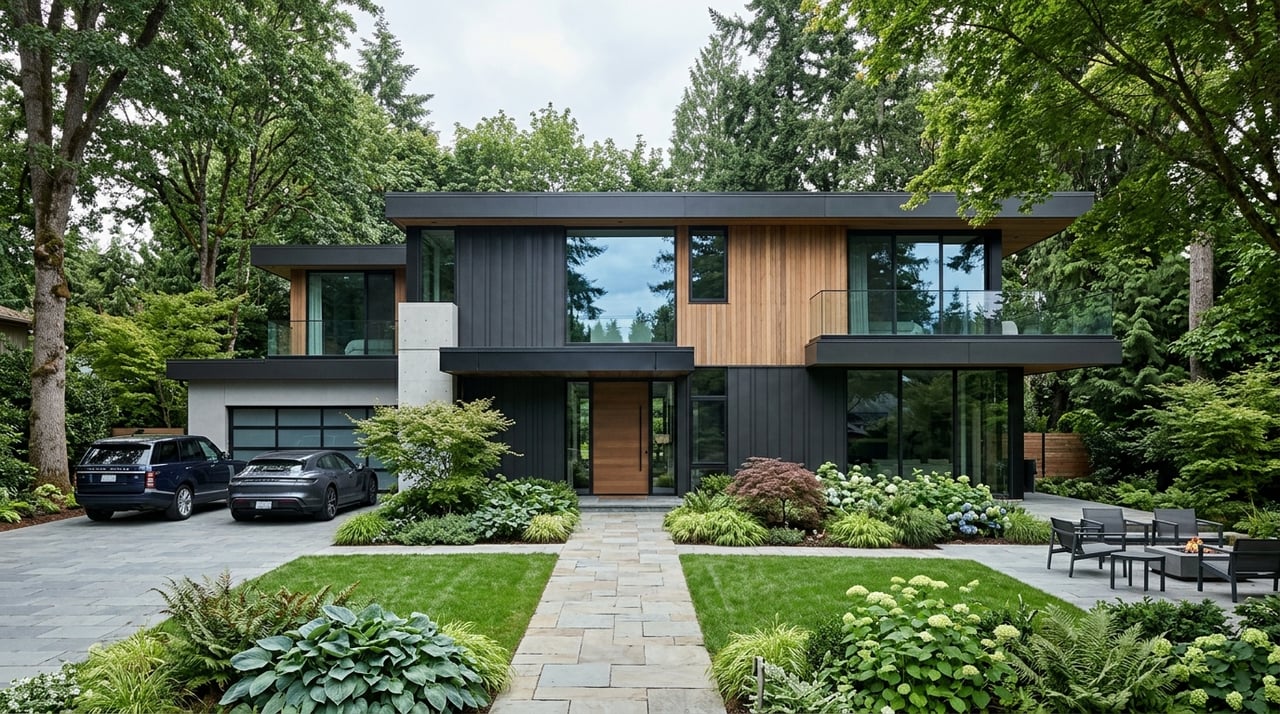
If you are deciding between a brand-new home and an older property in Minnetonka, you are not just choosing finishes and floor plans. You are choosing between two very different parts of the local housing market. In a city that is mostly built out, that difference matters more than many buyers expect. This guide will help you compare Minnetonka new construction vs. established homes so you can focus on the option that fits your budget, priorities, and long-term plans. Let’s dive in.
Why the Minnetonka market is different
Minnetonka is a mature suburb with limited room for large-scale new development. According to the city’s land-use planning, Minnetonka is nearly fully developed, and future growth is expected to come mainly through redevelopment and infill rather than big greenfield subdivisions.
That shapes what “new construction” really means here. In many cases, a new home in Minnetonka is more likely to be a rebuild, an infill property, or part of a redevelopment area than a traditional tract home in a brand-new subdivision. Established homes, by contrast, make up most of the city’s residential fabric and are found across many long-standing neighborhoods.
What new construction looks like
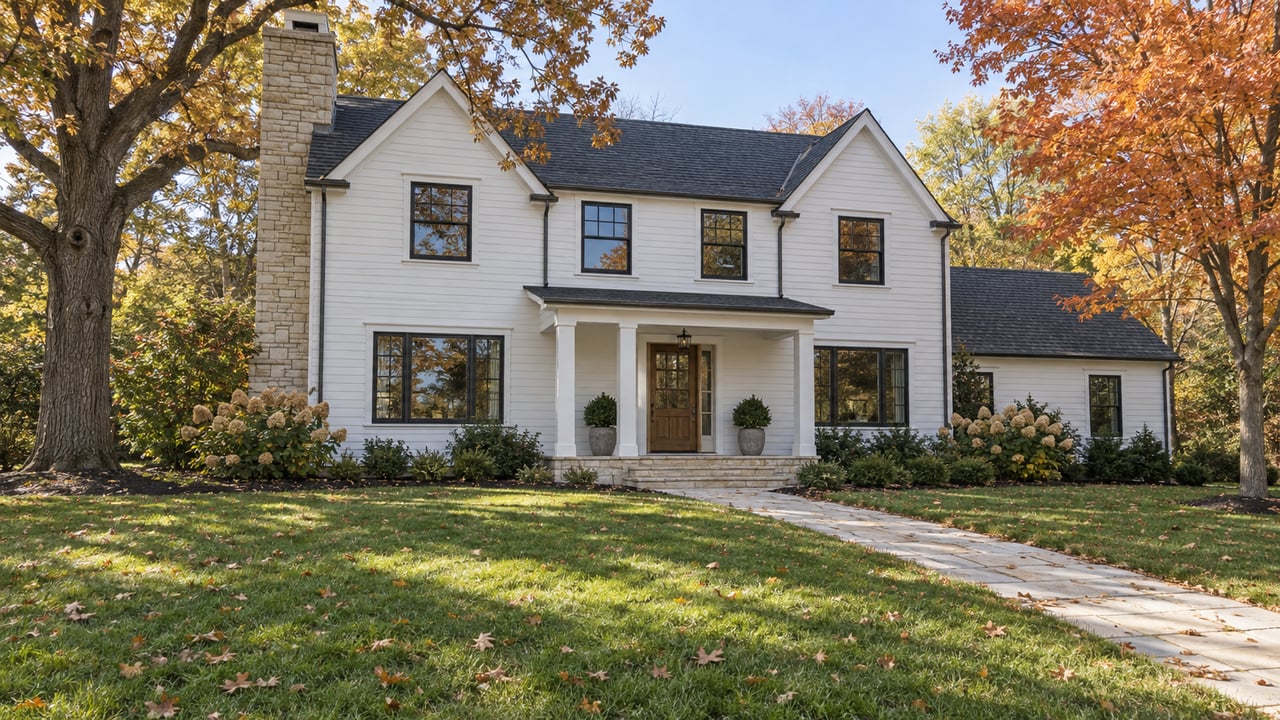
New construction in Minnetonka tends to show up in a few forms. You may find detached custom or semi-custom homes on replacement lots, attached housing like townhomes or condos, or homes built as part of mixed-use redevelopment areas.
The city’s recent housing update shows how limited for-sale new construction has been. From 2017 through 2021, only 155 of 1,658 new housing units were for-sale homes, while most of the new supply was rental or multifamily housing. That is a useful reminder that if you want a newly built for-sale home in Minnetonka, your choices may be narrower than in faster-growing suburbs.
In 2023, the city issued 25 permits for new detached single-household dwellings. The average permit value was $1,114,135, and the average area was 5,568 square feet. In practical terms, that suggests much of Minnetonka’s detached new construction is on the larger and higher-priced side.
Where new construction tends to cluster
Minnetonka’s planning documents point to redevelopment areas like Opus, Ridgedale, and Glen Lake as key places for future housing growth. Opus in particular is expected to absorb a large share of future development, with more than 1,000 housing units tied to its transformation into a mixed-use community.
That means your new-construction search may feel more location-specific than broad. Instead of seeing new homes evenly spread across the city, you are more likely to find them concentrated in redevelopment corridors or on select infill lots.
What established homes look like
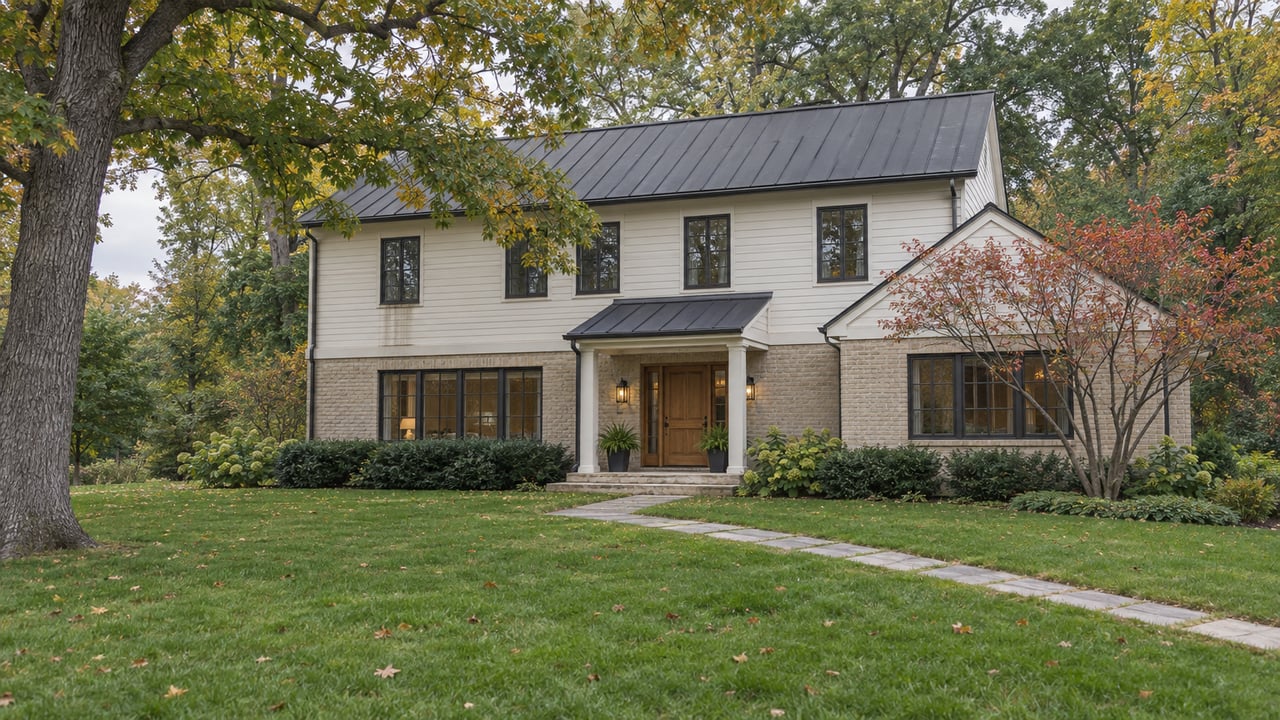
Established homes are the backbone of Minnetonka’s housing market. The city’s residential history stretches back to the late 1800s and early 1900s, with major expansion in the 1930s, 1950s, and 1960s.
A city housing study found that 76.1% of Minnetonka’s single-family homes were more than 30 years old. The largest share was built from the 1950s through the 1980s, which means many buyers shopping established homes will be looking at mid-century and late-20th-century housing stock.
These homes often come with more neighborhood maturity and a settled streetscape. In some areas, they may also offer larger legacy lots and more variation in design than newer product.
Where established homes tend to cluster
Minnetonka’s older residential areas include Minnetonka Mills, Oak Knoll, Groveland, Gray’s Bay/Libbs Lake, Tonkawood Croft, and Glen Lake. The city also identifies mid-century subdivisions such as Somerset Knolls, Forest Hills, and Temple Village.
If you are drawn to a home with renovation potential, a more established layout, or a long-developed residential setting, these areas are often where that search begins. Because these districts developed over decades, housing styles, updates, and lot characteristics can vary a lot from one property to the next.
New construction: key advantages
For many buyers, the biggest draw of new construction is the chance to start with newer systems and less near-term upkeep. A newly built home is going through Minnetonka’s permit and inspection process, which includes typical inspections such as footing, framing, insulation, and final inspection.
That does not mean a new home is perfect. It does mean the home is being reviewed against current code requirements during construction, which can offer some buyers peace of mind.
Other common benefits of new construction in Minnetonka include:
- Newer materials and systems
- Less immediate repair or replacement risk
- Layouts that may match current design preferences
- Opportunities to buy in redevelopment areas with newer infrastructure patterns
For buyers who want a more predictable maintenance picture in the first few years, new construction can be the cleaner fit.
Established homes: key advantages
Established homes offer a different kind of value. In Minnetonka, that often means a home in a neighborhood that has had decades to take shape, with mature trees, stable street patterns, and lot sizes that may be hard to replicate in newer development.
The city notes that some early neighborhoods generally featured modest single-family homes on one-third- to one-half-acre lots. It also says mid-century single-family neighborhoods often settled around a minimum one-half-acre lot size when served by public utilities and streets. That history helps explain why some older areas may feel more spacious than newer infill settings.
Established homes can also give you more room to personalize over time. If you are comfortable planning updates, you may be able to tailor an older property to your needs rather than paying upfront for every finish in a new build.
The tradeoffs buyers should expect
The best choice usually comes down to what tradeoff you are most comfortable making.
If you buy new construction, you may get newer systems and fewer immediate projects, but you may face a smaller pool of available homes, higher pricing, or locations concentrated in redevelopment areas rather than long-established residential pockets.
If you buy an established home, you may get more neighborhood maturity, lot size, or renovation flexibility, but you should also be ready for the possibility of ongoing updates. Minnetonka’s homeowner programs still offer low-interest repair and rehabilitation loans for items like roofs, siding, windows, doors, plumbing, electrical work, painting, accessibility changes, and energy upgrades. That is a strong signal that older housing often requires continued reinvestment.
A simple decision framework
If you are weighing Minnetonka new construction vs. established homes, this quick framework can help narrow your search.
Choose new construction if you want:
- Lower near-term maintenance risk
- Newer systems and materials
- A home built under current code review
- A more turnkey ownership experience
- A property in a redevelopment or infill setting
Choose an established home if you want:
- A mature residential setting
- Larger legacy lots in some areas
- More variation in home style and setting
- Renovation or value-add potential
- Access to long-developed neighborhoods across Minnetonka
How to compare homes more confidently
When you are choosing between a rebuild, a renovated older home, and a more original established home, local due diligence matters. Minnetonka’s records archive can help you review past permits, and Hennepin County’s Property Information Search can help you confirm parcel, assessment, and sales information.
That combination is especially useful if you are trying to understand what work was done to an older home or how a tear-down and rebuild compares with nearby resale properties. In a market like Minnetonka, the details behind the house often matter as much as the photos.
The bottom line on Minnetonka homes
Minnetonka does not offer a simple new-versus-old choice. Because the city is mostly built out, new construction is often tied to redevelopment corridors, infill lots, and higher-end detached builds, while established homes remain the dominant option across much of the city.
If you want the newest systems and a more turnkey path, new construction may be the better fit. If you care more about neighborhood maturity, lot character, and the ability to shape a home over time, an established property may give you more opportunity.
The smartest move is to compare each option through the lens of your timeline, maintenance tolerance, and budget. If you want help sorting through Minnetonka opportunities with a clear, data-driven plan, connect with David Brandner.
FAQs
Is new construction common in Minnetonka?
- New construction exists in Minnetonka, but it is limited compared with less built-out suburbs. The city is nearly fully developed, so most new housing comes through redevelopment and infill rather than large new subdivisions.
Are most Minnetonka homes older homes?
- Yes. A city housing study found that 76.1% of Minnetonka’s single-family homes were more than 30 years old, with many built from the 1950s through the 1980s.
Where should you look for new construction in Minnetonka?
- Redevelopment areas like Opus, Ridgedale, and Glen Lake are key places to watch, along with select infill lots across the city.
What should you expect from an established home in Minnetonka?
- You may find more mature surroundings, larger legacy lots in some areas, and renovation potential, but you should also expect that some homes may need ongoing updates or repairs.
How can you verify work done on a Minnetonka home?
- You can review Minnetonka permit records and use Hennepin County property records to compare parcel details, assessments, and sales history when evaluating a home.